
Dominate San Antonio Google Maps Faster Than Your Competitors
Dominate the local map pack, faster.
Time-to-rank is the only metric that matters. Stop paying for slow monthly SEO activity and start accelerating your Google Business Profile into the top 3 spots. We use high-velocity CTR strategies and optimization sprints to capture local search traffic across San Antonio and Universal City.
14 Days
Average Initial Movement
Our San Antonio clients typically see their first map pack position jumps within two weeks of our initial optimization sprint.
82%
Top 3 Placement Rate
We push over eight out of ten local campaigns into the highly visible Google Maps 3-pack.
45+
Active Bexar County Campaigns
We currently manage high-velocity CTR and local SEO campaigns for businesses exclusively in San Antonio and Universal City.
The 3-Phase Map Pack Acceleration Sprint
1
Audit Your Current Velocity
We analyze your existing Google Business Profile, local citations, and competitor metrics in the San Antonio market. You get a raw data report showing exactly why you are stuck outside the 3-pack.
2
Execute The Foundation Sprint
We strip out outdated SEO tactics and inject highly optimized, geotagged assets directly into your profile. This 7-day sprint includes category restructuring and proactive FAQ seeding to trigger immediate algorithmic trust.
3
Deploy Targeted CTR Growth
We drive hyper-local, real-user click-through rate signals from San Antonio and Universal City devices. This sustained behavioral data forces Google to rank your listing higher based on actual user preference.
Engineered for Maximum Local Search Velocity

📍 Geotagged Asset Injection
We process every photo and video through strict EXIF data manipulation before upload. Pinpointing exact coordinates in San Antonio and Universal City establishes undeniable geographic relevance.
🖱️ Behavioral CTR Manipulation
Rankings rely on user behavior. We generate localized search-and-click campaigns that show Google your business is the most popular choice for your target keywords.
🗃️ Entity & Citation Alignment
Inconsistent NAP data kills map rankings. We audit and overwrite your local directory listings across the web to ensure 100 percent data accuracy.
⭐ Review Velocity Management
Stagnant reviews signal a dead business. We implement automated feedback loops that steadily drip 5-star ratings onto your profile, matching the natural acquisition rate of top-ranking competitors.
📊 Zero-Fluff Performance Tracking
You do not pay for busywork. You receive a live grid tracking dashboard showing exactly how your GMB listing moves up the ranks across specific San Antonio zip codes week over week.
Real Map Pack Dominance in Bexar County
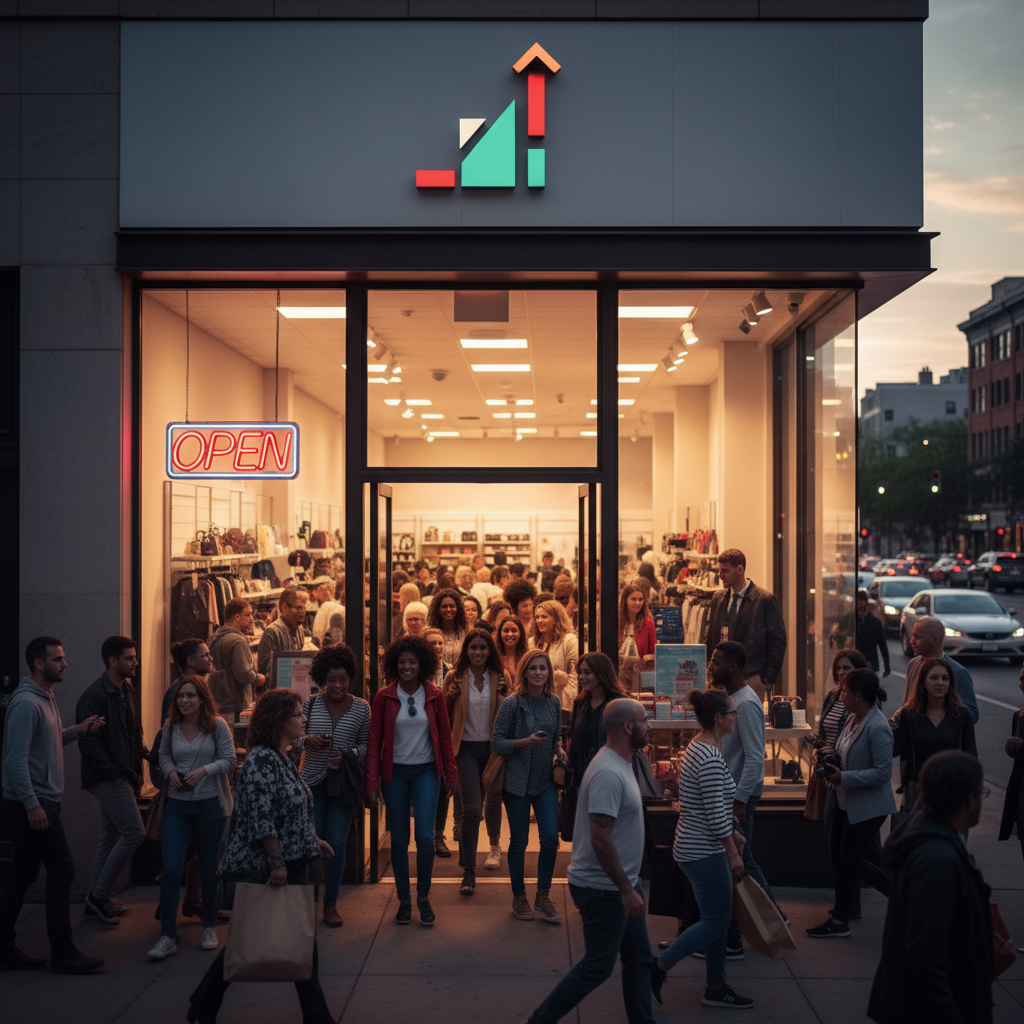
HVAC Contractor, San Antonio
Before: Stuck at position 12 for ‘AC repair near me’ during peak summer heat.
After: Captured the number 2 spot in the map pack, generating 43 direct inbound calls per week.
⏱ 28 days
Personal Injury Law Firm, Universal City
Before: Invisible on Maps outside a 1-mile radius of their physical office.
After: Expanded their top-3 ranking radius to 8 miles, doubling their monthly organic lead volume.
⏱ 45 days
Emergency Plumber, Downtown San Antonio
Before: Paying thousands for generic monthly SEO with zero movement on high-intent keywords.
After: Dominated the number 1 spot for ’24 hour plumber San Antonio’ using our aggressive CTR protocols.
⏱ 21 days
Frequently Asked Questions
Why do you only focus on San Antonio and Universal City?
I am Saeed Ahmadi, and I built this agency to dominate my own backyard. Local SEO requires deep understanding of the specific geographic grid, local search behaviors, and neighborhood boundaries. By focusing exclusively on this market, we run tighter CTR campaigns and achieve faster ranking velocity than national agencies.
How is a ranking sprint different from standard monthly SEO?
Standard SEO agencies sell you a checklist of slow, drawn-out tasks to justify their monthly retainer. We execute a massive front-loaded sprint of profile optimization, geotagging, and citation building in the first 14 days. We then immediately transition to aggressive CTR signals to force ranking movement.
Will manipulating CTR get my Google Business Profile suspended?
No. We do not use cheap bots or proxy farms that trigger Google spam filters. Our click-through rate campaigns rely on localized, residential IP traffic from real devices within Bexar County. It perfectly mimics organic user behavior.
What happens if my GMB is currently suspended?
We halt all ranking sprints until the profile is reinstated. We run a strict 48-hour compliance audit to identify the exact policy violation, submit the necessary documentation to Google support, and clear the suspension before initiating any CTR growth campaigns.
Stop Bleeding Leads to Slower Competitors
Every day you sit outside the top 3 spots in San Antonio, another local business steals your revenue. Request your raw velocity audit and let us map out your exact timeline to page one.
Written & Reviewed By
Saeed Ahmadi
SEO Manager | Local SEO Specialist
Saeed Ahmadi is a seasoned SEO Manager and Local SEO Specialist
Latest from Our Blog

Recovering Your Map Rank After a Category Switch
The smell of stale coffee and printer ink fills my small office, a familiar scent for a logistics manager who…

Why Your Business Profile is Stuck in the Local Map Pack Filter
Everyone wondered why a top-ranking roofing company vanished from the Map Pack overnight. I found the problem in their Local…

Cleaning Up Old Business Addresses Without Losing Authority
Cleaning Up Old Business Addresses Without Losing Authority The sidewalk smells like wet concrete and ozone as a summer storm…