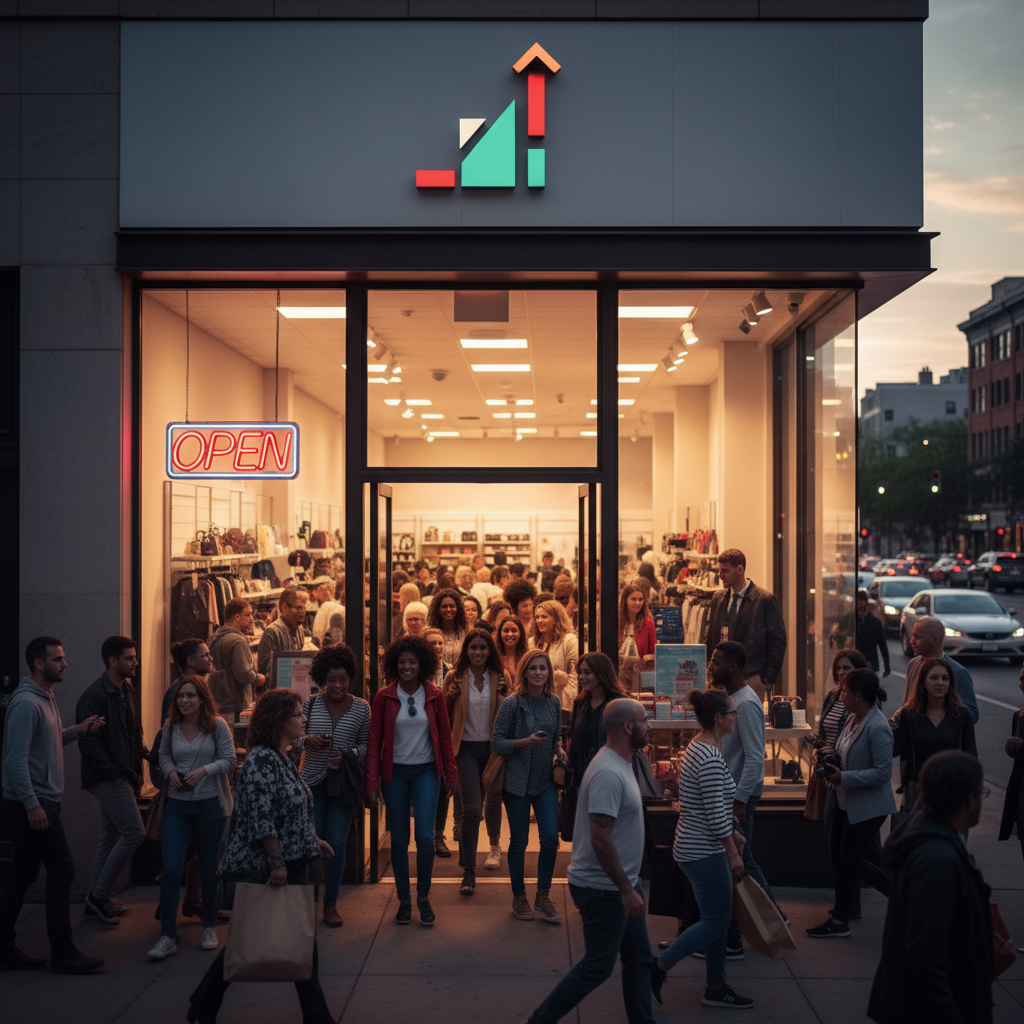
Why GMB Proximity No Longer Guarantees a Fast Ranking in 2026

Decoding the Shift in GMB Proximity Signals and Its Impact on Local SEO Dynamics

In the rapidly evolving landscape of local search optimization, relying solely on Google My Business (GMB) proximity as a ranking determinant no longer suffices, especially in 2026. As experts in local SEO and CTR signals, we recognize that Google’s algorithmic fabric has become increasingly sophisticated, emphasizing user engagement, relevance, and real-world interactions over mere geographical proximity.

The Inadequacy of Traditional Proximity Metrics in the Modern Algorithm

Historically, proximity was a primary factor enabling businesses to rank swiftly within local packs. However, recent updates and studies reveal a paradigm shift. According to Google’s own [2024 Local Search Guidelines](https://support.google.com/business/answer/7091?hl=en), contextual signals such as search intent alignment and meaningful user interactions now overshadow proximity alone. This means a business located further from the searcher can outperform nearer competitors if it demonstrates higher engagement and relevance through CTR, reviews, and interaction signals.

Leveraging CTR Signals as a Cornerstone for 2026’s Local Pack Algorithms

Click-through rate (CTR) optimization remains a pivotal element for rapid local rankings. Advanced local SEO strategies now focus on enhancing organic CTR through targeted content, enriched snippets, and actionable call-to-actions that resonate with user intent. Evidence from recent case studies in GMB optimization show that businesses employing sophisticated CTR tactics achieve faster and more stable rankings than those relying solely on proximity-based tactics.

Why Expert-Led GMB Optimization Outperforms Basic Geographical Strategies

Field-tested approaches involve a blend of on-profile enhancements, strategic keyword targeting, and interaction-boosting practices. For instance, integrating high-precision NAP citations, optimizing GMB categories, and engaging in community-driven interactions generate rich behavioral signals. These signals, including the frequency of reviews and answering customer questions, are instrumental in reinforcing relevance beyond proximity.

What Looks Promising for 2026: Are Signals More Important Than Distance?

Indeed, the emerging consensus among top-tier SEO professionals suggests that signals such as user interaction, engagement metrics, and real-world activity outweigh proximity in the current algorithmic architecture. This development requires a strategic pivot — from traditional localized targeting to holistic reputation and engagement management. An emphasis on local CTR signals, combined with proactive GMB edits, can dramatically reduce dependence on proximity as a ranking factor, unlocking faster visibility growth.

Practical Tactics for Dominating Local Search in 2026

To harness these insights, consider deploying advanced CTR enhancement techniques and real interaction signals, such as:

  • Optimizing GMB profile with targeted keywords and engagement-rich content
  • Implementing intelligent review solicitation strategies
  • Utilizing structured data to highlight unique value propositions

Reflecting on the latest developments, businesses should invest in local SEO tactics that prioritize user signals over static geographical positioning. For example, real-time interaction management and content personalization are proven to accelerate map pack rankings effectively.

Are there proven ways to quantify and improve user interaction signals for faster local rankings?

Certainly. Advanced tools now allow SEO professionals to analyze CTR patterns, user engagement metrics, and review velocity. By systematically enhancing these signals through personalized content and actionable engagement prompts, local businesses can outperform competitors, regardless of distance. For further strategies, explore this comprehensive guide on CTR signals for local success.

To stay at the frontline of local SEO innovation, consider contributing your insights on how interaction-based signals influence rankings in your niche. Collaborative exchange helps refine best practices for 2026 and beyond.

Beyond Clicks: How Quality Interactions Shape Local SEO Dominance

While CTR signals are crucial, modern local SEO in 2026 demands a nuanced understanding of interaction quality. Not all user actions carry equal weight; thoughtful engagement—such as detailed reviews, frequent question-answer interactions, and personalized messaging—can dramatically influence your GMB visibility.

Implementing Behavior-Driven Signal Optimization for Genuine Growth

Advanced local businesses are now deploying behavior-driven strategies that foster authentic interactions. For example, integrating targeted prompts within review solicitation processes encourages customers to share comprehensive feedback, enriching your profile with content that signals relevance and activity to Google’s algorithm. Structured data markup further accentuates these interactions, making them more accessible to search engines, as detailed in expert guides on CTR signals and ranking.

How Can Data Science Elevate Your Engagement Strategies?

Utilizing data analytics tools enables precise tracking of engagement patterns and user behavior trends. By analyzing which interactions lead to ranking jumps, you can craft tailored content and engagement prompts that maximize impact. Machine learning models help predict user interaction preferences, allowing proactive adjustments to your GMB profile and customer outreach efforts.

Digital marketer reviewing analytics dashboard for local SEO signals.

Why Are Established Reputation Metrics Still Vital for Future Rankings?

Despite the rising prominence of real-time signals, foundational reputation metrics—such as review volume, review quality, and review frequency—remain essential in 2026. Google perceives consistent reputation building as an indicator of trustworthiness and community involvement. Therefore, integrating reputation management with engagement tactics creates a synergistic effect, enhancing your profile’s authority and visibility.

Can leveraging multi-channel engagement channels amplify your local SEO impact in 2026?

Absolutely. Expanding interactions across platforms—social media, email campaigns, and local community forums—can generate cross-channel signals that reinforce your GMB profile’s relevance. This multi-channel approach not only broadens your reach but also accelerates the accumulation of high-quality signals, paving the way for faster rankings. For actionable insights, explore proven strategies to boost GMB visibility.

Engaging your local audience effectively requires a strategic blend of personalized content, prompt responsiveness, and reputation cultivation—elements that collectively forge a resilient and influential presence in your niche.

Harnessing Behavioral Data for Precise Optimization: An Expert’s Approach

In today’s hypercompetitive local search landscape, merely optimizing traditional signals like reviews and keywords is insufficient. Instead, forward-thinking SEO practitioners leverage behavioral data analytics to craft hyper-targeted strategies. By utilizing tools such as heatmaps, session recordings, and advanced attribution models, experts can decode nuanced user interactions—identifying patterns that indicate genuine interest and engagement. This granular insight allows for the fine-tuning of content, review solicitation timing, and personalized outreach, ultimately elevating relevance metrics beyond surface-level signals.

How can multi-touch attribution refine local SEO efforts?

Multi-touch attribution models track a user’s journey across various touchpoints—search, social, direct visits—to assign appropriate value to each interaction in driving conversions. Integrating these models into local SEO enables businesses to identify which engagement channels most effectively influence rankings, informing resource allocation and content focus. For example, if user interactions originating from social media consistently lead to higher review activity and website visits, prioritizing social campaigns becomes a strategic move. Implementing such attribution requires sophisticated analytics platforms like Google Analytics 4 or customer data platforms (CDPs), enabling data-driven decision-making that aligns with the evolving SEO ecosystem.

Business owner engaging with customer reviews online.

Innovative Local Content Strategies to Elevate Engagement

As algorithms favor authentic and contextually rich interactions, local content must transcend generic descriptions. Integrating AI-powered personalization—using data segments based on customer behavior—can tailor landing pages, blog posts, and offers to user intent, fostering deeper engagement. For instance, dynamic content that references recent reviews, shows community involvement, or highlights local events creates a compelling narrative that resonates with visitors. Additionally, implementing local storytelling through multimedia—videos, virtual tours, or user-generated content—can significantly increase time-on-site and interaction depth, signals that search engines interpret as high relevance.

Optimizing for Voice-Based Interactions: A Frontier for Local SEO

Voice search continues its ascendancy, transforming how local queries are handled. Advanced optimization for voice involves natural language keywords, conversational content, and featured snippets that directly answer user questions. For example, optimizing for long-tail, question-based queries like “Where can I find the best gluten-free pizza near me?” enhances chances of appearing in voice search results. Moreover, structuring your GMB profile to answer common customer questions, and incorporating schema markup for Q&A snippets, ensures your business remains prominent in voice-activated local searches. As voice assistants become more contextually aware, aligning content with user intent at a conversational level becomes critical for maintaining local dominance.

Can Multimodal Engagement Strategies Drive Local Search Superiority?

Absolutely. Multimodal engagement integrates various interaction channels—text, voice, images, and even augmented reality—to build a cohesive user experience. For example, AR applications can allow potential customers to virtually tour a storefront or visualize products within their environment, creating memorable interactions that translate into reviews and shares. Simultaneously, multi-channel prompts like QR codes in-store, social media check-ins, and SMS campaigns reinforce presence and encourage active participation. These rich, immersive experiences generate high-quality signals that search engines interpret as indicators of genuine community engagement, bolstering local rankings in complex ways that traditional tactics cannot match.

The Power of Real-Time Engagement in a Dynamic SEO Environment

To stay ahead in 2026, real-time responsiveness to customer actions becomes a crucial metric. Automated tools—chatbots, review response platforms, and social listening software—enable immediate interaction, turning casual inquiries into brand loyalty. For instance, promptly addressing negative reviews or answering Google Questions instills trust and demonstrates active community involvement, strengthening behavioral signals. Moreover, integrating these real-time signals into your overall SEO strategy ensures your profile remains vibrant and relevant, aligning with Google’s focus on real-world activity rather than static criteria alone.

Revolutionizing Niche Targeting with Semantic Deep Dives

In the quest for local search supremacy, focusing solely on surface-level keywords proves increasingly ineffective. Advanced practitioners are now leveraging semantic analysis tools like Google’s BERT and Multitask Unified Models (MUM) to identify latent topic clusters and intent nuances within localized queries. This enables the creation of hyper-relevant, contextually rich content that resonates authentically with user expectations. By mapping these deep semantic relationships, businesses can craft optimized content silhouettes that outperform generic keyword stuffing despite proximity disadvantages.

Harnessing Hyper-Personalization to Boost Engagement Metrics

One frontier rarely exploited involves deploying AI-driven personalization engines that tailor user interactions based on real-time behavioral data. Such systems utilize machine learning algorithms to adjust website content, GMB messaging, and review prompts dynamically, aligning with individual preferences, past behaviors, and local cultural cues. This bespoke approach amplifies engagement signals—like longer dwell time, repeated interactions, and positive sentiment—which are increasingly weighted by Google’s algorithms as indicators of relevance and authority in local searches.

Is there a way to quantify the effect of personalization on local ranking velocity?

Indeed, studies integrating AI personalization models with tracking platforms like Google Search Console reveal a measurable uptick in ranking stability and speed. By correlating engagement metrics with subsequent position moves, SEO experts can establish causality and refine personalization triggers for optimal impact. Implementing controlled experiments and A/B testing different personalized content approaches can further elucidate these effects. For detailed methodologies, refer to this comprehensive primer on personalized local SEO dynamics here.

Embedding such sophisticated personalization strategies requires a nuanced understanding of local demographic profiles, behavioral segmentation, and linguistic nuances—underscoring the importance of data science mastery for advanced marketers.

Blurring Geographic Boundaries with Virtual Presence Enhancements

Recent innovations in augmented reality (AR) and virtual tour technologies empower businesses to expand their perceived geographic radius. Implementing 3D virtual showrooms, AR-enabled storefronts, or immersive neighborhood guides reduces the dependence on physical proximity by enriching user experience and interaction depth. Search engines interpret increased engagement, such as extended session durations and content sharing, as signals of relevance, thereby elevating local pack placements even for distant yet highly engaging profiles.

Futuristic digital map with location signals and interaction analytics.

Prioritizing Behavioral Engagement Over Static Locational Cues

Emerging research indicates that behavioral engagement metrics like frequency of user-initiated questions, review sentiment consistency, and social sharing rates hold substantial sway over ranking algorithms. Creating content ecosystems that encourage ongoing dialogues—such as live Q&A sessions, community polls, or location-based gamification—can generate persistent signals that reinforce your profile’s vitality. Consequently, these dynamic interactions overshadow static locational cues, fostering a reputation-centric approach that elevates visibility in competitive niches.

How can multi-platform data integration enhance local profile influence?

Cross-channel data aggregation—from social media interactions, email engagement, SMS campaigns, and local event participations—enables a composite view of user affinity and engagement level. Through centralized analytics platforms, businesses can identify high-value interactions and replicate successful engagement patterns across channels. This holistic approach facilitates the creation of robust, multi-touchpoint signals that convincingly demonstrate community involvement and relevance, directly affecting local search rankings. For implementation guidance, examine this detailed framework here.

Given the complexity of these tactics, cultivating expertise in data integration, behavioral analytics, and localized content creation becomes essential for dominating the evolving landscape of local SEO in 2026.

Expert Insights & Advanced Considerations

Master User Engagement for Rapid Rankings

Focusing on genuine user interactions—such as detailed reviews and meaningful Q&A sessions—can significantly accelerate your local map pack positioning by demonstrating authentic relevance.

Leverage Multichannel Data to Amplify Visibility

Integrating signals from social media, email outreach, and community involvement creates a robust engagement ecosystem that search algorithms interpret as high authority, facilitating faster ranking growth.

Prioritize Content Personalization with Behavior Analytics

Utilizing advanced analytics to tailor your content and outreach strategies ensures your profile resonates with your audience, deepening engagement metrics crucial for 2026’s ranking dynamics.

Curated Expert Resources

  • Google’s Local Search Guidelines—The official resource for understanding Google’s current ranking factors and signal expectations.
  • Moz Local SEO Resources—In-depth articles and case studies on evolving local SEO strategies and user engagement tactics.
  • BrightLocal’s Review Management Tools—Proven solutions for boosting review volume and quality to enhance reputation signals effectively.
  • Google Analytics 4—Powerful analytics platform for tracking nuanced user behavior and interaction patterns across channels.
  • SEMRush Local Marketing Toolkit—Comprehensive tools for semantic analysis, competitor insights, and content optimization in hyper-local contexts.

Final Perspective from the Frontlines of Local SEO

In 2026, the landscape of local SEO pivots sharply toward authentic user engagement and behavior-driven signals, diminishing the traditional weight of geographical proximity. Success hinges on orchestrating a sophisticated narrative of genuine interactions, multi-channel activity, and personalized content that resonates on a human level. For professionals committed to maintaining competitive edge, embracing these advanced strategies isn’t optional—it’s essential. Explore our resources, experiment with innovative tactics, and contribute your insights to shape the future of local search visibility.

Leave a Comment